%20(2)_edited.png)

Operational Risk Framework Essentials

Updated: May 19
Managing risks effectively is crucial for any organization aiming to thrive in today’s complex environment. An operational risk framework provides a structured approach to identifying, assessing, and mitigating risks that arise from internal processes, people, systems, or external events. This framework helps you protect your organization’s integrity, ensure compliance, and maintain trust with stakeholders.
In this post, you will discover the essentials of an operational risk framework, practical steps to implement it, and how it supports your organization’s resilience and ethical standards.
Understanding the Operational Risk Framework
An operational risk framework is a comprehensive system designed to manage risks that could disrupt your organization’s operations. It covers everything from human errors and system failures to fraud and external threats. The goal is to minimize losses and maintain smooth business continuity.
Here’s why an operational risk framework matters:
Protects your organization’s reputation by preventing incidents that could damage trust.
Ensures compliance with laws and regulations such as GDPR, EPPA, and ISO standards.
Supports ethical behavior and integrity across all levels of the organization.
Improves decision-making by providing clear insights into risk exposure.
Enhances operational efficiency by identifying weak points and strengthening controls.
By adopting a structured approach, you can turn risk management into a strategic advantage rather than a reactive task.

Key Components of an Operational Risk Framework
To build a robust operational risk framework, focus on these core components:
Risk Identification
Identify potential risks across all business areas. This includes human factors, technology, processes, and external influences.
Risk Assessment
Evaluate the likelihood and impact of each risk. Use qualitative and quantitative methods to prioritize risks effectively.
Risk Control and Mitigation
Develop and implement controls to reduce risk exposure. This may involve process improvements, training, or technology upgrades.
Risk Monitoring and Reporting
Continuously track risk indicators and report findings to stakeholders. Use dashboards and automated alerts for real-time insights.
Governance and Culture
Establish clear roles, responsibilities, and policies. Promote a culture of ethics, integrity, and transparency throughout the organization.
Each component works together to create a dynamic system that adapts to new challenges and supports compliance with regulatory requirements.
What are the 5 Elements of the Risk Management Framework?
Understanding the five essential elements helps you structure your operational risk framework effectively:
Risk Governance
Define leadership roles and accountability. Ensure that risk management is embedded in your organization’s strategy and culture.
Risk Identification
Systematically detect risks using tools like risk registers, audits, and employee feedback.
Risk Assessment and Measurement
Analyze risks based on their potential impact and probability. Use scoring systems or risk matrices to rank them.
Risk Response
Decide how to handle each risk: avoid, reduce, transfer, or accept. Develop action plans and assign owners.
Risk Monitoring and Review
Regularly review risk controls and update assessments. Use technology to automate monitoring and generate reports.
By mastering these elements, you can build a resilient framework that supports proactive risk management.
Practical Steps to Implement Your Operational Risk Framework
Implementing an operational risk framework can seem complex, but breaking it down into clear steps makes it manageable:
Set Clear Objectives
Define what you want to achieve with your risk framework. Align it with your organization’s mission and compliance needs.
Engage Stakeholders
Involve leaders, risk managers, HR, compliance, and security teams. Collaboration ensures comprehensive risk coverage.
Map Your Processes
Document key business processes and identify where risks may occur. This helps focus your efforts on critical areas.
Develop Risk Policies and Procedures
Create guidelines that outline how risks are identified, assessed, and managed. Make sure they are easy to understand and follow.
Leverage Technology
Use AI-driven platforms like Logical Commander to automate risk detection, classification, and reporting. This accelerates decision-making and enhances accuracy.
Train Your Team
Provide ongoing training on risk awareness, ethics, and compliance. Empower employees to recognize and report risks.
Monitor and Improve
Continuously track risk indicators and update your framework based on lessons learned and changing conditions.
Following these steps will help you build a sustainable and effective operational risk framework that supports your organization’s goals.
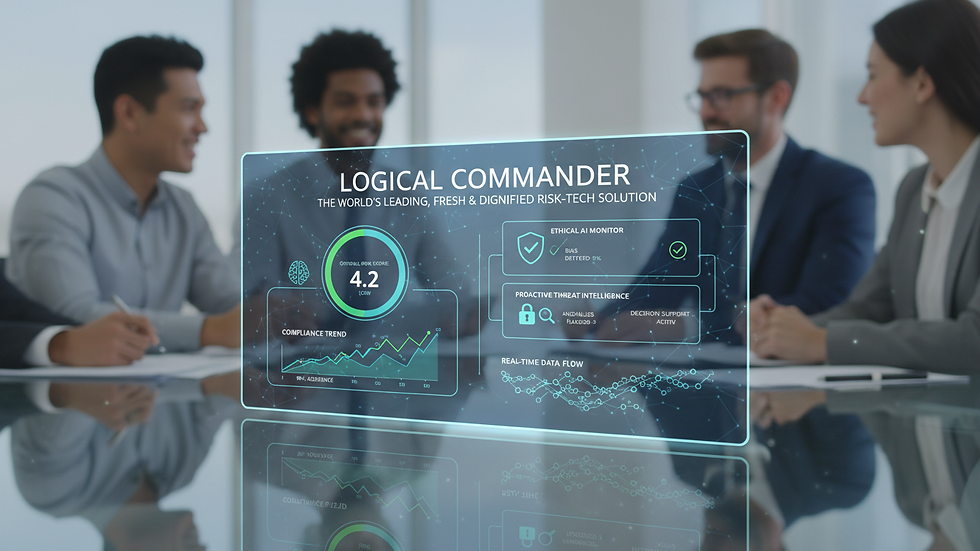
How Logical Commander Supports Your Risk Management Journey
Logical Commander is designed to empower organizations like yours with AI-driven tools that transform complex human-risk data into actionable intelligence. Here’s how it aligns with your operational risk framework needs:
Enhances Trust and Transparency
Provides evidence-based insights into ethics, integrity, and workplace behavior.
Accelerates Decision-Making
Automates risk analysis and prioritization, helping you act fast and confidently.
Ensures Global Compliance
Supports regulations such as GDPR, EPPA, CPRA, and ISO 27K standards.
Preserves Privacy and Dignity
Offers a responsible approach to managing internal risks without intruding on personal privacy.
By integrating Logical Commander’s solutions, you can strengthen your operational risk framework and turn compliance into a strategic advantage.
Ready to see how Logical Commander can transform your risk management? Register for a free trial today and discover the power of AI-driven human capital risk management.
Tell us about your role or what you’re looking for — we want to understand how we can best support your organization’s unique needs.
Logical Commander - Know First, Act Fast!