%20(2)_edited.png)

Navigating Ethical Risk Management in Organizations

In today’s fast-paced and complex business environment, managing risks related to ethics and integrity is more critical than ever. Organizations face increasing scrutiny from regulators, employees, customers, and partners. Navigating these challenges requires a clear understanding of ethical risk management and practical strategies to foster trust, compliance, and transparency.
This post will guide you through the essentials of ethical risk management, helping you build a resilient organization that acts with integrity and confidence.
Why Ethical Risk Management Matters
Ethical risk management is not just about avoiding scandals or legal penalties. It’s about creating a culture where integrity and trust are foundational. When you manage ethical risks effectively, you:
Protect your organization’s reputation by preventing misconduct and unethical behavior.
Enhance employee morale and engagement by fostering a transparent and fair workplace.
Ensure compliance with laws and regulations such as GDPR, EPPA, and ISO standards.
Support better decision-making through clear, evidence-based insights.
Reduce financial and operational risks linked to unethical practices.
By prioritizing ethical risk management, you empower your teams to act responsibly and confidently, even in challenging situations.
How to Implement Ethical Risk Management in Your Organization
Implementing ethical risk management requires a structured approach. Here are key steps to help you get started:
Assess Your Current Risk Landscape
Conduct thorough assessments to identify potential ethical risks within your organization.
Use data-driven tools to analyze patterns and detect early warning signs of misconduct.
Develop Clear Policies and Codes of Conduct
Create straightforward, accessible policies that define expected behaviors.
Ensure all employees understand these guidelines through regular training and communication.
Promote a Culture of Transparency and Accountability
Encourage open dialogue about ethics and integrity.
Establish safe channels for reporting concerns without fear of retaliation.
Leverage Technology for Continuous Monitoring
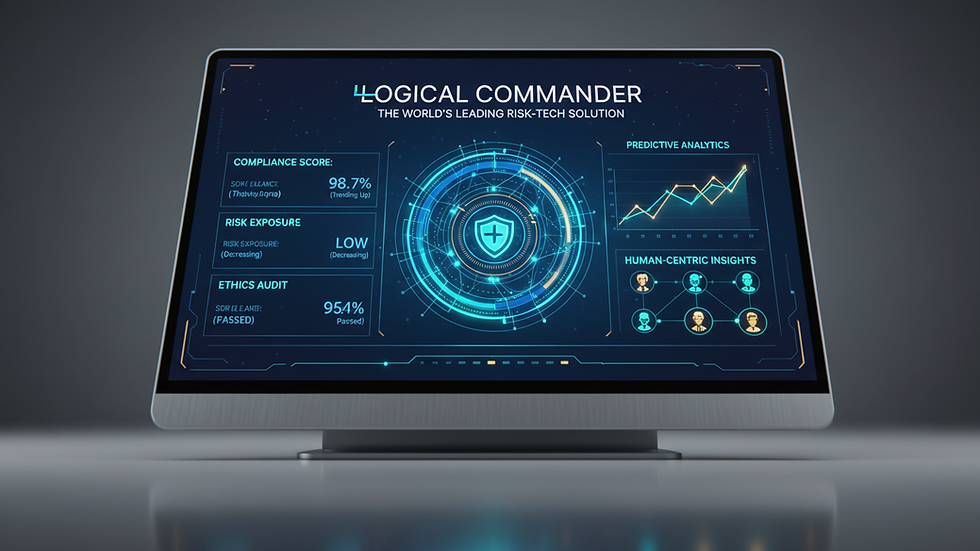
Use AI-driven platforms like Logical Commander to automate risk detection and classification.
Monitor compliance in real-time and prioritize risks based on severity and impact.
Engage Leadership and Stakeholders
Ensure executives and managers lead by example.
Involve all departments, including HR, Compliance, and Security, in risk management efforts.
Review and Update Regularly
Continuously evaluate your ethical risk management framework.
Adapt to new regulations, emerging threats, and organizational changes.
What is the definition of ethical risk?
Ethical risk refers to the potential for actions or decisions within an organization to violate moral principles, legal standards, or societal expectations. This can include issues like conflicts of interest, fraud, discrimination, data privacy breaches, and other behaviors that undermine trust and integrity.
Understanding this definition helps you recognize the broad scope of ethical challenges your organization may face. It also highlights the importance of proactive measures to detect and mitigate these risks before they escalate.

Practical Tools to Manage Ethical Risk Effectively
To navigate ethical risk successfully, you need the right tools and processes. Here are some practical solutions:
AI-Powered Risk Assessment Platforms
Platforms like Logical Commander’s Risk-HR and E-Commander use artificial intelligence to analyze human capital risks, detect internal threats, and provide actionable insights. This technology accelerates decision-making and ensures compliance with global standards.
Integrity and Ethics Assessments
Regular assessments help you measure the ethical climate of your organization. They identify gaps and areas for improvement, enabling targeted interventions.
Automated Compliance Monitoring
Automation reduces manual errors and ensures continuous oversight of regulatory requirements, including GDPR, CPRA, and EPPA.
Training and Awareness Programs
Equip your workforce with knowledge and tools to recognize and respond to ethical dilemmas. Interactive training fosters a shared commitment to integrity.
Whistleblower Protection Mechanisms
Secure and anonymous reporting channels encourage employees to speak up about unethical behavior without fear.
Building a Culture That Supports Ethical Risk Management
Technology and policies are essential, but culture is the backbone of ethical risk management. Here’s how you can cultivate a supportive environment:
Lead with Integrity
Leaders must model ethical behavior consistently. Their actions set the tone for the entire organization.
Encourage Open Communication
Create spaces where employees feel comfortable discussing ethical concerns and dilemmas.
Recognize and Reward Ethical Behavior
Celebrate individuals and teams who demonstrate integrity and compliance.
Integrate Ethics into Performance Metrics
Include ethical considerations in evaluations and promotions to reinforce their importance.
Foster Diversity and Inclusion
A diverse workforce brings varied perspectives that help identify and address ethical risks more effectively.
Take the Next Step in Ethical Risk Management
Managing ethical risk is a continuous journey that requires commitment, clarity, and the right technology. Logical Commander’s AI-driven platform empowers you to detect, classify, and mitigate internal risks related to ethics, integrity, and security with unmatched precision and full regulatory compliance.
Ready to transform your approach to ethical risk management?
Register for a free trial today and discover how Logical Commander can help you Know First, Act Fast.
We’d love to hear from you! Share your role or what you’re looking for, so we can tailor our solutions to your needs.
Logical Commander - Know First, Act Fast!